
Introduction to Coding for Kids
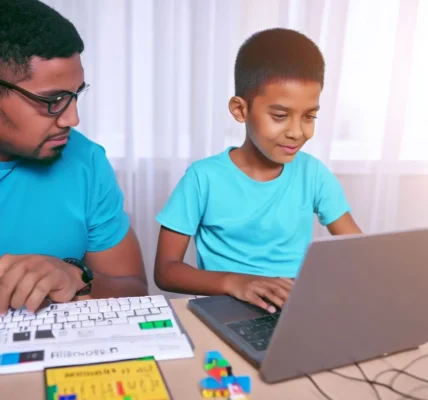
Let’s face it, kids today are growing up in a world powered by technology. From smartphones to smart homes, code is everywhere. So the real question isn’t whether kids should learn coding, but how. And honestly, what better way than through games?
Learning to code through games is like sneaking vegetables into a delicious smoothie. Kids are having fun, feeling like they’re playing, but behind the scenes, they’re developing powerful skills that can shape their future.
Why Coding Is a Must-Have Skill in the Digital Age
Coding is quickly becoming the new literacy. Just like reading and writing were essential skills in the past, understanding code is vital today. Coding helps kids:
-
Think logically
-
Solve problems creatively
-
Understand how technology works instead of just consuming it
According to Code.org, more than 60% of new jobs require basic coding skills. That’s a big deal.
👉 https://code.org
Breaking the Myth: Coding Is Only for Tech Geniuses
Many parents think coding is complicated or only for math whizzes. That’s simply not true. Coding games are designed to break concepts into bite-sized, playful challenges. If a child can solve a puzzle or beat a game level, they can learn to code.
Understanding Game-Based Learning
What Is Game-Based Learning?
Game-based learning uses interactive games to teach real-world skills. Instead of memorizing rules, kids experience learning. Think of it like learning to ride a bike you don’t read a manual; you hop on and try.
How Games Activate the Brain
Games trigger curiosity, reward effort, and provide instant feedback. When kids succeed, dopamine kicks in, reinforcing learning. When they fail, they try again without fear.
Learning Through Play vs Traditional Learning
Traditional learning often feels like homework. Games feel like adventure. The difference? Engagement. When kids are engaged, learning sticks.
Why Games Are Perfect for Teaching Coding to Kids
Games Make Complex Concepts Simple
Coding games use visuals, characters, and stories to explain abstract ideas like loops, conditions, and algorithms. Instead of reading lines of code, kids move blocks or guide characters.
Encouraging Problem-Solving and Logical Thinking
Every level is a puzzle. Kids must think:
-
What went wrong?
-
How can I fix it?
-
Is there a faster way?
These are the same questions real programmers ask.
Building Persistence and Resilience
Games teach kids that failure isn’t the end, it’s part of the process. That’s a life skill, not just a coding skill.
Types of Coding Games for Kids
Block-Based Coding Games
These games use drag-and-drop blocks instead of text.
Scratch and ScratchJr
Scratch allows kids to create animations and games. It’s colorful, simple, and powerful.
👉 https://scratch.mit.edu
Blockly Games
Blockly teaches coding fundamentals through puzzles.
👉 https://blockly.games
Text-Based Coding Games
Perfect for older kids ready to type real code.
CodeCombat
Kids learn Python and JavaScript while playing a fantasy game.
👉 https://codecombat.com
CodinGame
Teaches coding through competitive challenges.
👉 https://www.codingame.com
Mobile Coding Games
Lightbot
A puzzle game that teaches programming logic.
👉 https://lightbot.com
Tynker
Offers both block and text-based coding games.
👉 https://www.tynker.com
Best Online Platforms Where Kids Can Learn Coding Through Games
Scratch
Ideal for beginners. Kids create stories, games, and animations.
Code.org
Offers free coding courses with popular characters like Minecraft and Star Wars.
Tynker
A paid platform with structured lessons and game design tools.
Roblox Studio
Kids learn Lua scripting while creating their own games.
👉 https://www.roblox.com/create
Age-Wise Coding Game Recommendations
Ages 4–7
-
ScratchJr
-
Lightbot
Ages 8–12
-
Scratch
-
Blockly Games
-
Tynker
Ages 13–18
-
CodeCombat
-
CodinGame
-
Roblox Studio
How Coding Games Improve Academic and Life Skills
Enhancing Math and Logic Skills
Coding strengthens number sense and sequencing.
Improving Creativity and Storytelling
Kids design characters, plots, and worlds.
Boosting Confidence and Independence
Building something from scratch is empowering.
Role of Parents in Game-Based Coding Learning
Choosing the Right Games
Look for age-appropriate, educational platforms.
Setting Screen-Time Boundaries
Balance is key. Coding games should replace passive screen time.
Encouraging Real-World Applications
Ask kids to explain what they built. Let them teach you!
Role of Teachers and Schools
Integrating Coding Games into Curriculum
Gamified lessons increase participation.
Gamification in Classrooms
Badges, levels, and challenges motivate students.
Challenges of Learning Coding Through Games
Overuse of Games
Too much of anything isn’t good.
Lack of Structured Learning
Games should follow a learning path.
Balancing Fun and Education
The best games do both.
Tips to Maximize Learning from Coding Games
Setting Clear Learning Goals
What should your child learn this month?
Mixing Games with Offline Activities
Use puzzles, board games, and storytelling.
Tracking Progress and Rewards
Celebrate milestones.
Future of Coding Education Through Games
AI and Adaptive Learning Games
Games will personalize learning paths.
Virtual Reality and Augmented Reality
Imagine coding inside a virtual world.
Real-Life Success Stories
Kids Who Started Coding Through Games
Many young developers began with Scratch.
From Games to Careers
Today’s coding games are tomorrow’s tech careers.
Read Also How to Use Technology for Safer Travel Experiences
Conclusion
So, how can kids learn coding through games? Simply by playing, exploring, failing, and trying again. Coding games turn learning into an adventure, making complex skills feel natural and fun. For kids aged 18 to 60—yes, adults too, it’s never too early or too late to start. When learning feels like play, the sky isn’t the limit—it’s just the beginning.
Frequently Asked Questions (FAQs)
1. Are coding games really effective for kids?
Yes, coding games make learning interactive and engaging, helping kids understand concepts faster.
2. At what age should kids start learning coding?
Kids can start as early as age 4 with simple visual games like ScratchJr.
3. Do coding games require prior experience?
No, most coding games are designed for beginners.
4. Are coding games safe for kids?
Reputable platforms like Scratch and Code.org are safe and kid-friendly.
5. Can coding games lead to real programming skills?
Absolutely. Many professional programmers started with coding games.