
Introduction – Why Tech Skills Matter More Than Ever
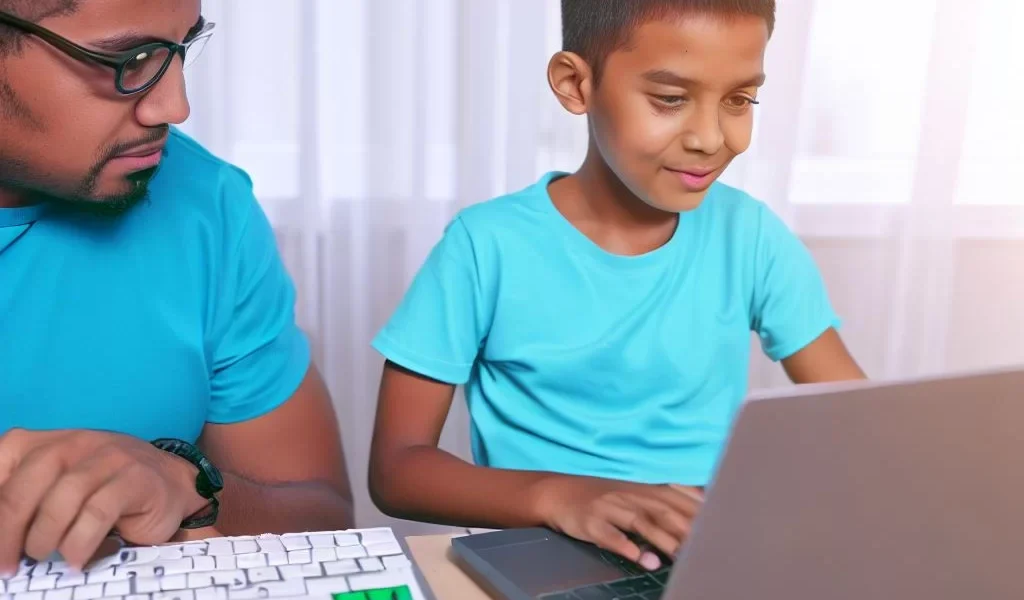
Let’s be honest, technology isn’t the future anymore. It is the present. From smartphones and laptops to smart homes and AI assistants, kids today are growing up in a world powered by technology. Teaching basic tech skills every child should learn early is no longer optional; it is essential.
Think of tech skills like learning to ride a bike. The earlier kids learn, the more confident and balanced they become. Without these skills, children risk becoming passive users instead of empowered creators in a digital world.
Understanding the Digital Generation
How Early Exposure Shapes Confidence
Children are naturally curious. When they learn technology early, they do not fear it. Instead, they explore it. Early exposure builds confidence and removes the intimidation factor that many adults experience with new tech.
The Difference Between Using Tech and Understanding Tech
Watching videos or playing games is not the same as understanding technology. True tech literacy means knowing how things work, not just how to tap and swipe.
Basic Computer Literacy
Understanding Hardware vs Software
Kids should know the difference between physical components like keyboards and monitors, which are hardware, and programs like apps and operating systems, which are software. This knowledge forms the backbone of digital literacy.
Using a Keyboard and Mouse Properly
Typing and mouse control are foundational skills. Touch typing improves speed, accuracy, and confidence, and these skills help in school and beyond.
Touch Typing Basics
Free tools like TypingClub make learning fun and engaging for kids.
Internet and Online Navigation Skills
Using Browsers Effectively
Children should know how to open tabs, bookmark pages, and navigate safely online.
Understanding URLs and Search Engines
Teaching kids how to search properly helps them find reliable information instead of getting lost in clickbait.
Evaluating Online Information
Not everything online is true. Kids must learn to spot trustworthy sources like educational or government websites, for example, Common Sense Media.
Digital Safety and Cyber Awareness
Protecting Personal Information
Kids need to understand why personal details should stay private online.
Understanding Password Security
Strong passwords are like locks on digital doors. Teaching kids to use unique passwords is critical.
Recognizing Online Threats
From phishing emails to fake ads, children should learn how to spot digital dangers early.
Communication Skills in the Digital World
Email Etiquette for Kids
Emails are still widely used in schools and workplaces. Teaching polite and clear communication makes a huge difference.
Messaging Apps and Online Manners
Good digital manners, such as not spamming or using respectful language, are just as important as real world manners.
Introduction to Coding and Logical Thinking
Why Coding Builds Problem Solving Skills
Coding teaches kids how to break problems into steps. It is less about becoming a programmer and more about learning how to think.
Beginner Friendly Coding Platforms
Websites like Scratch make coding visual and fun for kids.
Creative Tech Skills
Basic Graphic Design
Tools like Canva help kids express creativity while learning design basics.
Video and Audio Creation
From school projects to YouTube aspirations, video editing teaches storytelling and technical skills.
Using Productivity Tools
Word Processing Skills
Knowing how to format documents properly helps kids excel academically.
Spreadsheets and Presentations
Basic spreadsheet and presentation skills introduce data organization and communication.
Understanding Mobile Technology
Responsible Smartphone Usage
Kids must learn that phones are tools, not toys.
App Management Basics
Understanding app permissions and updates builds responsible habits.
Critical Thinking and Digital Problem Solving
Troubleshooting Simple Tech Issues
Restarting devices or checking settings teaches independence.
Learning Through Experimentation
Mistakes are part of learning, especially in tech.
Online Collaboration and Teamwork
Shared Documents and Cloud Tools
Tools like Google Docs encourage teamwork and collaboration.
Respectful Collaboration Online
Digital teamwork requires respect and accountability.
Learning Through Educational Technology
Online Learning Platforms
Platforms like Khan Academy expand learning beyond classrooms.
Balancing Screen Time
Healthy tech use includes knowing when to unplug.
Ethics and Digital Responsibility
Understanding Digital Footprints
Everything online leaves a trace. Kids must understand long term consequences.
Respecting Copyright and Fair Use
Using content responsibly teaches integrity.
Preparing Children for Future Careers
Tech Skills and Job Readiness
Almost every career today requires basic tech knowledge.
Lifelong Learning Mindset
Technology evolves fast, so kids must learn how to keep learning.
Role of Parents and Educators
Encouraging Healthy Tech Habits
Guidance matters more than restrictions.
Leading by Example
Children copy what they see, so use tech wisely.
Conclusion – Building a Strong Digital Foundation Early
Teaching basic tech skills every child should learn early is like planting seeds for future success. These skills build confidence, creativity, and critical thinking. When kids understand technology, they do not just consume it. They control it. And that is how we prepare them for a smarter, safer, and more successful future.
Read Also 10 Powerful Tools for Tech Kids Can Use to Learn Faster: Simple Tools That Work
FAQs
1. At what age should children start learning tech skills?
Children can start learning basic tech skills as early as age five, focusing on simple and supervised activities.
2. Are coding skills necessary for every child?
Yes, because coding improves logical thinking even if children do not become programmers.
3. How can parents support tech learning at home?
By encouraging curiosity, setting boundaries, and learning alongside their children.
4. How much screen time is healthy for kids?
Quality matters more than quantity. Balance educational use with offline activities.
5. What is the most important tech skill for kids?
Digital safety, because it protects everything else they learn online.