
Smartphones these days range from ultra-premium devices with sky-high prices to entry-level phones that barely serve basic needs. But in Nigeria, there’s a very sweet spot that a lot of people gravitate toward that’s around ₦80,000. At this price range, many Nigerians buy their first smartphone, students upgrade from feature phones, or folks simply want a dependable daily driver without spending too much cash.
Economic factors influencing smartphone pricing
You might wonder: why do budget phones cost what they cost here? Well, it’s a mix of things. First, the naira-to-dollar exchange rate plays a big role. Since many smartphone components are imported using foreign currency, when the naira weakens, importers have to hike local prices. Then there’s also customs duties, shipping costs, and distributor mark-ups. All these add up, pushing even “budget” phones higher.
Beyond that, inflation and general cost of living affect what people can afford. When budgets are tight, phone makers and retailers aim for price points that meet the lower to middle-income earners. ₦80,000 often hits that middle ground, cheap enough to be affordable, but expensive enough to offer a useful smartphone experience.
Why ₦80,000 remains a sweet-spot for budget buyers
Why is this range so popular? For many Nigerians, ₦80,000 is the kind of amount you can save up over a couple months without stretching too far. It’s also around what students, fresh graduates, and young professionals might have available when they really need a smartphone.
At this price, you can get a device capable of checking social media, streaming music, browsing the web, and handling basic apps which let’s face it, describes what most people actually use on phones. And with tech improving year after year, phones under ₦80,000 in 2025 can do more than entry-level devices could just 2–3 years ago.
Key Features to Look for in a Budget Phone under ₦80k
Alright, so you’re shopping around, looking to snag something under ₦80k. Great! But what should you pay attention to? Let me lay out the features that in 2025 really matter if you want value for your money:
Processor & Performance
The processor (or “chipset”) is like your phone’s brain. If it’s weak, your phone lags, apps stutter, and even basic tasks feel sluggish. In 2025, some budget phones still use outdated processors which struggle with everyday tasks. For a smooth experience, aim for a modern budget chipset (for example, a low-mid-range MediaTek or entry-level Snapdragon) that can handle multitasking without battery drain.
RAM & Storage
RAM is short-term memory; storage is long-term memory. Too little RAM (like 2 GB) slows things down quickly, even on simple apps. Too little storage fills up fast with photos, music, videos, and apps. For under ₦80k, try to get at least 3 GB RAM and 32 GB storage or better yet 4 GB RAM / 64 GB storage if possible. That way, your phone stays usable for longer.
Battery Life & Charging
Nothing frustrates users more than a phone that dies mid-day. A battery capacity of around 5000 mAh is ideal, it gets you through a full work or school day with calls, social media, maybe a podcast or two. Bonus points for fast charging support, though that’s less common in low-budget phones. Even a regular 10W or 18W charger can make a difference if your phone charges quickly overnight.
Display Quality
You don’t need a super-bright AMOLED for ₦80k, but you want a decent LCD or IPS display, bright enough to see outdoors, sharp enough to read text, and responsive enough for smooth scrolling. A higher refresh rate (90 Hz or 120 Hz) is rare at this price, but if you find it that’s a big win.
Camera Expectations
At this price range, you shouldn’t expect flagship-level photography. Still, many budget phones today deliver decent daylight photos, good enough for social media or video calls. Look for a main camera around 8–13 MP and if available a selfie camera of 5–8 MP. Don’t get too hung up on “night mode” or pro-level portrait shots, those usually belong to pricier phones.
Software Updates & Brand Reliability
This is often overlooked. It doesn’t matter how great the specs are if the phone never gets software updates, or worse seller disappears after you buy. Go for brands with good after-sales support, active update history, and local service centers. That ensures your phone lasts longer and stays secure.
Methodology – How We Picked the Best Phones
Okay, you might ask: how did we come up with our list? It wasn’t random. Here’s the approach we used to pick phones worthy of being on this “best under ₦80k” list:
Price confirmation in Nigerian markets
We checked a variety of local Nigerian retailers, online marketplaces, and exchange rates to make sure these phones actually cost ₦80,000 or below (or very close, considering fluctuations) as of late 2025.
Balanced specifications for everyday tasks
We ignored junk specs, no phone with 1 GB RAM or 16 GB storage made the cut. We only considered phones that could handle social media apps, streaming, browsing, light gaming, and basic photography without constant lag or crashes.
User reviews and reliability
Nothing beats real-world feedback. We looked at verified buyer reviews, user forums, and community feedback to weed out phones that looked good on paper but were buggy, heated up, or crashed often. Only devices with mostly positive feedback made it through.
Brand warranty and after-sales support
Because a phone saved at ₦80k is still a serious investment, especially for students, we prioritized phones from brands with known warranty services and local support centers in Nigeria. That way, if anything goes wrong, you’re not stuck with a pricey paperweight.
Top Budget Phones Under ₦80k in Nigeria (2025)
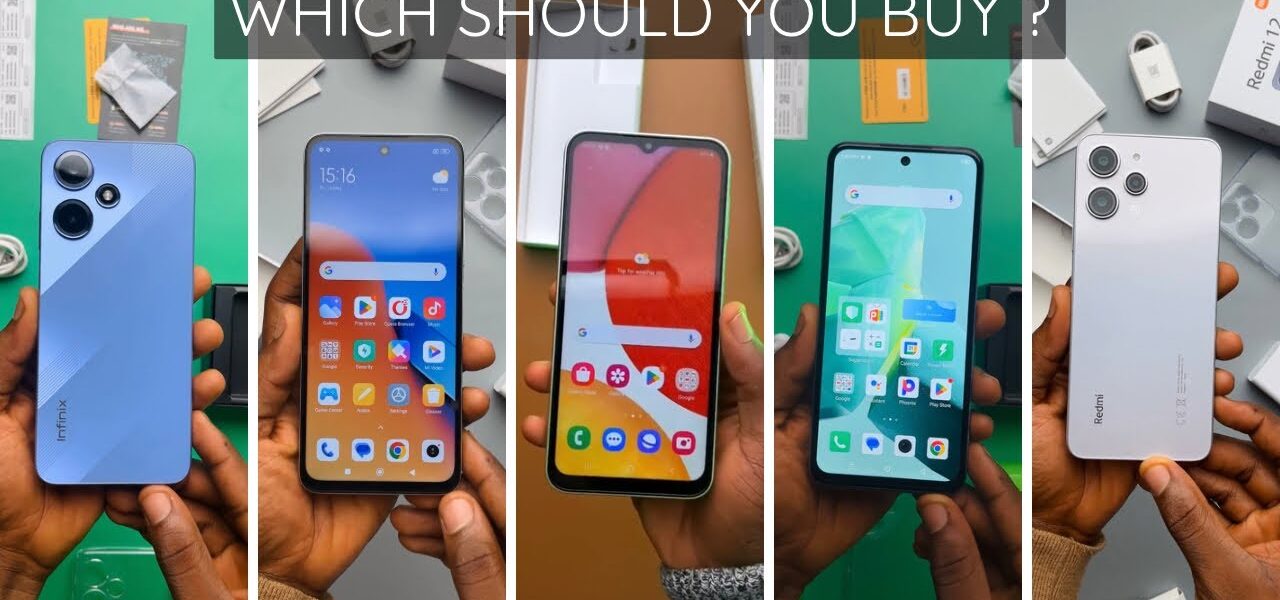
Here are the phones that as of late 2025 still stand out as some of the best value-for-money options under ₦80,000. Keep in mind prices fluctuate based on seller and availability. Always double-check before buying.
Realme narzo 50i Prime
Snapshot of Specs
-
Display: 6.6″ IPS LCD, HD+ (720 × 1612)
-
Processor: Unisoc T612 (Octa-core)
-
RAM / Storage: 4 GB RAM / 64 GB (expandable)
-
Battery: 5000 mAh, 10W charging
-
Rear Camera: 8 MP main + 0.08 MP depth
-
Front Camera: 5 MP
Pros & Cons
Pros: Smooth everyday performance for social media, browsing, and light apps. Large battery that easily lasts a full day. Clean and easy-to-use UI. Good value for money.
Cons: Display is only HD; not very sharp; camera quality is basic; no fast charging.
Ideal For…
Students, first-time smartphone users, casual social media users, anyone who wants a reliable daily driver on a budget.
Tecno Spark 10C
Snapshot of Specs
-
Display: 6.6″ IPS LCD, HD+
-
Processor: Unisoc T606
-
RAM / Storage: 4 GB RAM / 128 GB storage (expandable)
-
Battery: 5000 mAh, 10W charging
-
Rear Camera: 8 MP
-
Front Camera: 8 MP
Pros & Cons
Pros: Large storage — 128 GB is rare at this price point. Front camera decent for video calls and social media selfies. Battery life reliable.
Cons: Performance can stutter under heavy multitasking. Display is basic. No fast charging.
Ideal For…
Users who value storage for storing music, videos, social media images or those who care about selfie cam and online chatting.
Infinix Smart 7 HD
Snapshot of Specs
-
Display: 6.6″ HD+ display
-
Processor: Unisoc T606
-
RAM / Storage: 4 GB RAM / 64 GB storage
-
Battery: 5000 mAh
-
Rear Camera: 8 MP
-
Front Camera: 5 MP
Pros & Cons
Pros: Balanced spec for everyday tasks, long battery life, decent price-to-performance ratio.
Cons: Camera is average; display not very bright; performance okay but not powerful enough for heavy gaming.
Ideal For…
Budget-conscious users needing a basic smartphone for calls, messaging, browsing, and light social media.
Xiaomi Redmi 12C (if available under ₦80k)
Snapshot of Specs
-
Display: 6.71″ IPS LCD, HD+
-
Processor: MediaTek Helio G85 (entry-level gaming capable)
-
RAM / Storage: 4 GB RAM / 64 GB storage
-
Battery: 5000 mAh, 10W charging
-
Rear Camera: 50 MP main + 0.08 MP depth
-
Front Camera: 5 MP
Pros & Cons
Pros: Strong camera (50 MP) which are rare at this price point. MediaTek G85 chipset is more powerful than typical low-end chips, so it’s suitable for light gaming and smoother performance. Large display.
Cons: If price stays under ₦80k, maybe limited availability. No fast charging; camera software optimization may lag.
Ideal For…
Anyone who wants a “surprise” in the budget segment especially photo-hungry users or light gamers without spending big.
Tecno Spark Go 2023
Snapshot of Specs
-
Display: 6.5″ HD+
-
Processor: MediaTek Helio A22 / Unisoc (depending on variant)
-
RAM / Storage: 3 GB RAM / 32 GB storage (or 4 GB / 64 GB in some deals)
-
Battery: 5000 mAh
-
Rear Camera: 8 MP
-
Front Camera: 5 MP
Pros & Cons
Pros: One of the cheapest smartphones still usable in 2025. Battery lasts long. Simple, clean design.
Cons: RAM/storage minimal in base model; sluggish under heavy load; basic display and poor camera quality.
Ideal For…
Users on a tightest budget maybe first-time smartphone owners or as a reliable backup phone.
Quick Comparison Table of All Picks
| Phone Model | RAM / Storage | Battery | Strength | Weakness |
|---|---|---|---|---|
| Realme narzo 50i Prime | 4 GB / 64 GB | 5000 mAh | Overall balance, good for daily tasks | Basic display & camera |
| Tecno Spark 10C | 4 GB / 128 GB | 5000 mAh | Large storage, decent selfie camera | Slight lag in heavy use, basic display |
| Infinix Smart 7 HD | 4 GB / 64 GB | 5000 mAh | Solid value for money | Average camera, basic display |
| Xiaomi Redmi 12C | 4 GB / 64 GB | 5000 mAh | Great camera + stronger chipset | Availability & no fast charging |
| Tecno Spark Go 2023 | 3 GB / 32 GB (or 4/64) | 5000 mAh | Cheapest usable smartphone | Low memory, weak performance & camera |
How to Choose the Right Budget Phone for You
Choosing a budget phone isn’t just about the lowest price. You want something that feels like it was made for your daily life.
Determine Your Purpose (Gaming, Social Media, Calls, Work)
-
Casual users (calls, WhatsApp, messaging, reading) even the cheapest on this list works fine.
-
Social media + photos — go for models with better cameras and storage (like Redmi 12C or Tecno Spark 10C).
-
Light gaming or multitasking — choose phones with stronger chipsets and 4 GB RAM or more.
Decide on Brand and After-sales Service
Pick brands with after-sales presence in Nigeria (like Tecno, Infinix, Xiaomi, Realme) so you can get support if something goes wrong.
Check Warranty, Service Centres, and Local Support
Before buying, ask about warranty card, whether the phone can be serviced locally, and authenticity (IMEI check). That can save you from headaches later.
Where to Buy Affordable Budget Phones in Nigeria
Online Marketplaces (e-commerce platforms)
Websites like Jumia or Konga (check dates) sometimes offer deals under ₦80k. Always look at seller ratings, read reviews, confirm price in Naira at checkout (not dollar-converted).
Tips for safe buying online:
-
Buy from verified sellers with good ratings.
-
Check if price includes shipping and taxes.
-
Confirm warranty information and return policy before purchase.
Physical Stores and Local Markets
If you prefer to see phone in person: local electronics shops, malls in Lagos/Abuja, or authorised dealers for Tecno/Infinix … these can have good deals and sometimes allow bargaining.
How to verify price and authenticity:
-
Ask for original receipt and warranty card.
-
Check IMEI number on the box and device settings.
-
Test phone basic functions like camera, call, charging before paying.
Tips to Extend Lifespan of Your Budget Phone
If you get a budget phone, here’s how to make it last longer:
Keep Software and Security Updates Current
Often manufacturer updates fix bugs and improve security. Even budget phones sometimes get at least one or two updates, apply them promptly when available.
Good Battery Maintenance and Charging Habits
Avoid letting battery drop to 0% before charging. Try to keep between 20–80% when possible. Use the charger that came with the phone (not random third-party ones).
Use Protective Case and Clean the Device Regularly
Protect your phone from drops, dust, moisture. A simple silicone case and screen protector can go a long way. Also clean the charging port occasionally, dust buildup can cause charging issues.
Conclusion
If you’re on a strict budget of ₦80,000 (or thereabouts) in 2025, there are actually solid smartphone options out there that still deliver not top-tier, but good enough for everyday life: social media, browsing, calls, studying, light entertainment. Phones like Realme narzo 50i Prime, Tecno Spark 10C, Infinix Smart 7 HD, Xiaomi Redmi 12C, and Tecno Spark Go 2023 offer a mix of balanced specs, decent battery life, and affordability.
Yes, you can sacrifice things like premium camera quality, flagship-level performance, or fast charging. But if you know what you need (and what you don’t), you can get a reliable, usable smartphone without overspending.
Take your time: check prices, look for deals, confirm warranty, and choose a phone that matches your lifestyle. You might be surprised how far ₦80k can go in 2025.
Frequently Asked Questions (FAQs)
Q1: Can I get a good Android 13 phone under ₦80,000 in Nigeria?
Yes — some budget phones under ₦80,000 ship with Android 12 or 13 (or a near equivalent). While they may not get long-term OS support, they’ll handle basic tasks, apps, and updates for at least a year or two.
Q2: Will these budget phones run WhatsApp, TikTok, and light games smoothly?
Yes — phones like Realme narzo 50i Prime and Xiaomi Redmi 12C have enough RAM and reasonable processors for social media, messaging, video calls, and light games. Heavy gaming or demanding apps may still struggle.
Q3: Are phones under ₦80,000 still worth buying in 2025?
Absolutely — if your needs are basic: calls, messaging, browsing, lightweight apps, social media. They’re ideal for students, first-time smartphone users, or as backup devices.
Q4: Should I prioritize RAM or camera when buying budget phones under ₦80k?
Prioritize RAM and storage; these impact overall performance. Camera quality in this price range will always be modest; a decent camera is a bonus, but usability (smooth performance, battery life) matters more for daily tasks.
Q5: How can I avoid counterfeit phones when buying at this price?
Buy from authorized retailers or reputable sellers, request original packaging, check IMEI number on the device and box, and ask for a receipt or warranty card. Avoid deals that seem “too good to be true” — they often are.