
If you’re sitting there wondering “is it time to upgrade my phone?”, you’re not alone. Whether you’re an Apple enthusiast, a content creator, or just someone tired of “Storage Full” alerts and laggy apps, the new Apple iPhone 17 Air might just be your next big move. In this article I’m going to walk you through 8 really strong reasons to pick up this device and also point out the trade-offs so you get a balanced view.
Introduction: Why this is the right time to consider an upgrade
Let’s face it, your phone is more than a gadget. It’s your camera, your streaming box, your social life in your pocket. If that device is several years old (say iPhone 12–15), you’re probably facing some of these frustrations: battery dying too fast, storage running out, slower performance, feel of an outdated design. On top of that, the tech landscape is changing fast, 120 Hz displays, ultra-fast Wi-Fi, powerful chips that previously only Pro-models had.
That’s where the iPhone 17 Air comes in. It’s designed not just as another incremental update but as a step change for people who care about both form and function. So if you’ve been searching for “iPhone 17 worth it?”, “iPhone 17 Air specs” or “iPhone 17 Air review” (hello Nigeria, UK, US searchers!), you’re in the right place.
Reason 1 – Ultra-Thin, Ultra-Light Form Factor
The new design in a nutshell
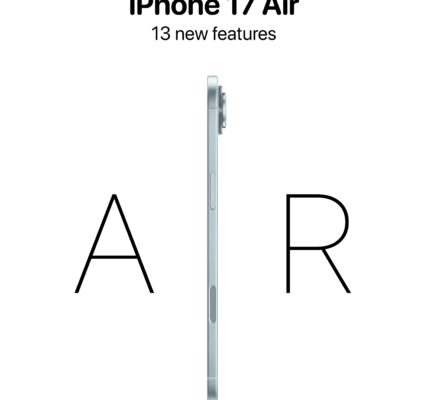
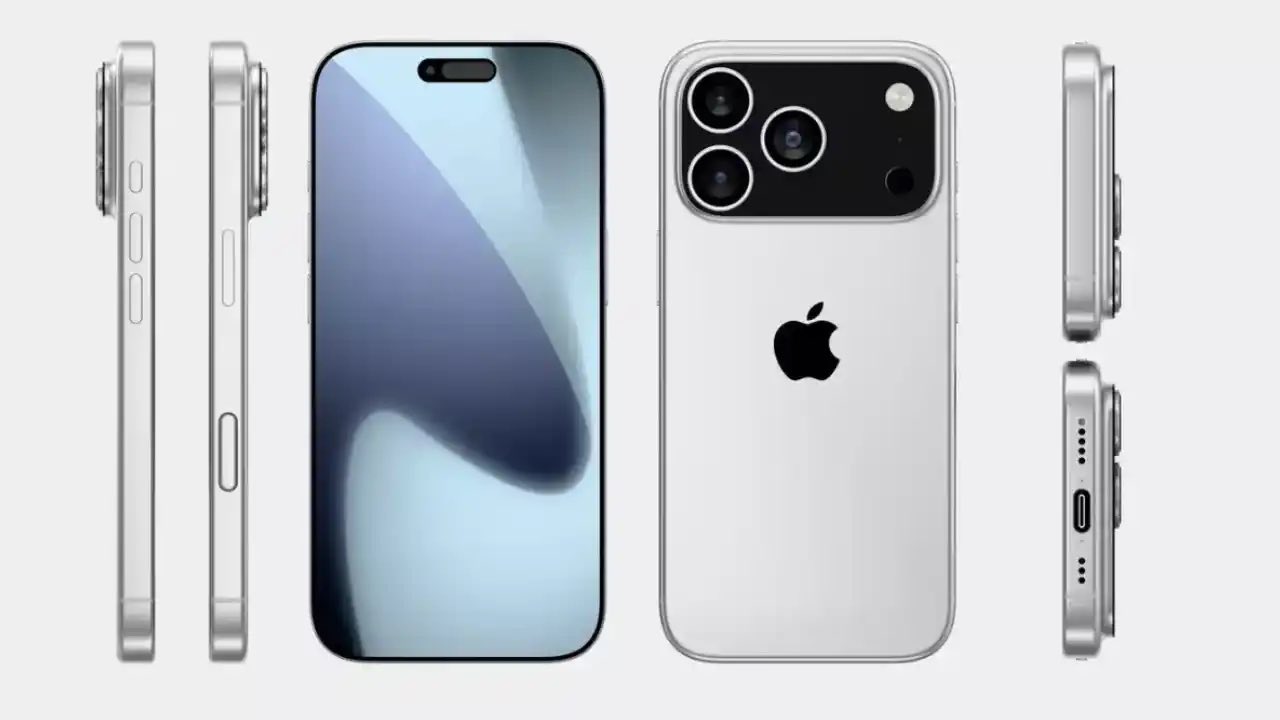
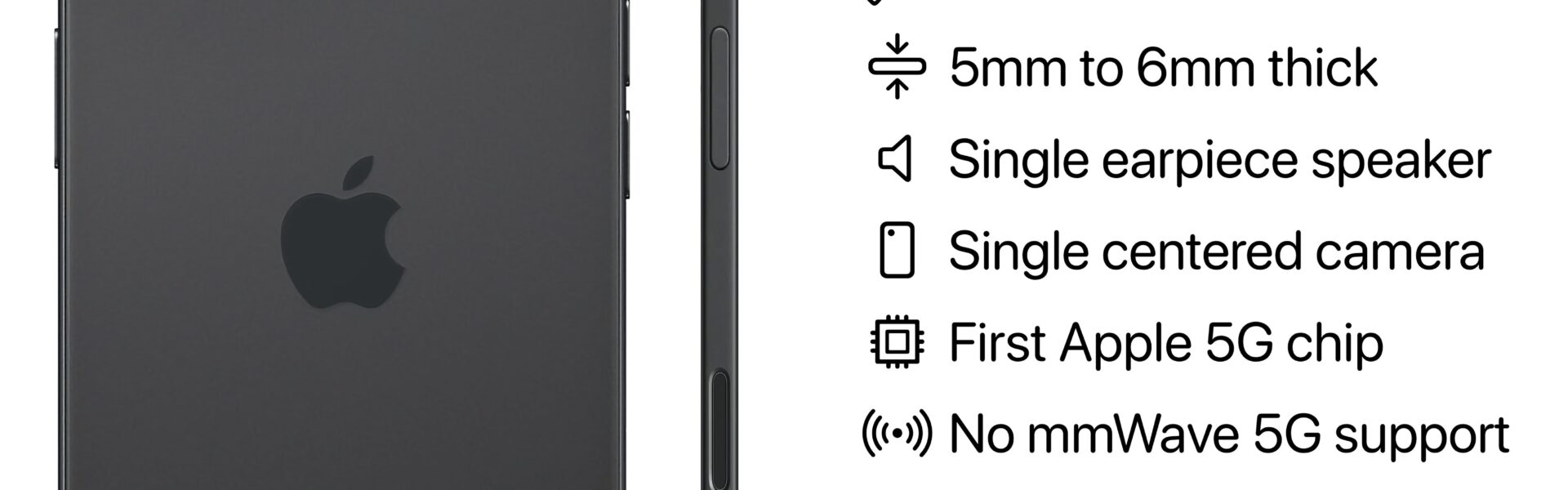
The iPhone 17 Air is remarkably thin, measuring around 5.6 mm in thickness, which is a big deal in smartphone terms. It also uses a Grade 5 titanium frame (rather than just aluminum), which adds sturdiness while keeping the weight low.
How it feels in your hand vs older iPhones
If you’ve been using an iPhone 12 or 13 (or even 14/15), the thickness and weight difference becomes more noticeable than you might expect. When you’re on a call, watching video one-handed, or just slipping your phone into a pocket, those millimetres and grams add up. One tester noted:
“In my testing that difference translates to noticeably improved one-handed usability.”
In other words: the iPhone 17 Air feels like you’re holding less device but still getting top-tier hardware.
Materials and build quality
Beyond the thin profile, Apple upgraded front and back glass too. The iPhone 17 Air uses “Ceramic Shield 2” on both front and back, offering up to 3× better scratch resistance front and 4× better crack resistance at the back.
If you care about longevity and keeping your phone looking sharp, those materials matter.
Reason 2 – Pro-Level Performance Without the Pro Price
The A19 Pro For context: that puts it in the ballpark of workstations when it comes to handling apps, editing video, or running multiple tasks simultaneously.
Real-world benefits for apps, games, and multitasking
What does that translate to for you? Less waiting for apps to open. Smoother gameplay. More reliable performance when switching between camera, social apps, productivity tools. If you’re an influencer uploading content, editing on-the-go, or just tired of your phone slowing down during a livestream, this is a big win.
Since you’re reading this because you might upgrade from an iPhone 12/13/14/15, think of it this way: you’re not just upgrading the phone you carry, you’re upgrading how you carry out tasks. Tasks that used to lag now happen instantltion
What 120Hz means for everyday use
The display on the iPhone 17 Air supports ProMotion up to 120 Hz, meaning scrolling, animations and transitions feel silky smooth. When you open your camera, switch between apps, scroll Twitter or Instagram, the difference is real.
Brightness, resolution and outdoor visibility
The screen isn’t just smooth, it’s bright. With peak brightness up to 3,000 nits, it holds up outdoors in harsh sunlight.
For Nigerians, Brits, Canadians or Americans using their phone outside, that means less squinting, fewer shadows and a better experience no matter the setting.
The size is also generous (6.5″) but still manageable for handheld use. That balance of size + quality matters if you consume media, shoot videos, play games or just multitask.
Reason 4 – Modern Connectivity & Future-Proof Features
Wi-Fi 7, Bluetooth 6, modem upgrades
One of those things people overlook until they need it: network connectivity. The iPhone 17 Air ships with Apple’s new N1 networking chip (Wi-Fi 7, Bluetooth 6, Thread) and a C1X modem.
That means you’re better prepared for the next wave of high-speed Wi-Fi, stronger wireless audio connections (hello Bluetooth 6), and smarter home-connected features.
eSIM, USB-C and what it means for you
The iPhone 17 Air is eSIM-only worldwide meaning no physical SIM tray. For frequent travelers, or anyone who swaps SIMs, this is a big shift. Also, USB-C is becoming universal, which means your cables become simpler.
All this means: buy once, and your phone stays relevant for more years. Less forced obsolescence.
Reason 5 – Camera Enhancements for Creators and Social Users
Key camera specs (48MP, Center Stage, etc)
Even though the iPhone 17 Air doesn’t have a triple-lens system like some “Pro” models, it packs a capable single 48MP Fusion camera and an 18MP Center Stage front camera that works beautifully for selfies and content creation.
Those specs mean sharp images, strong low-light performance, and great front-camera flexibility.
Why it matters for content creators, influencers
If you’re making reels, filming stories, taking selfies for TikTok, or capturing moments to share — camera performance becomes central. You don’t want to upgrade just for a marginal camera tweak; you want meaningful improvements. The iPhone 17 Air delivers that: better sensor, modern computational photography, and features tailored for social-media workflows.
So if you’re a creator/influencer, this upgrade can feel like an upgrade of your toolset, not just your phone.
Reason 6 – A Refreshing Look That Reflects Your Status
Sleek colours and frame
Design matters. The iPhone 17 Air comes in shades like Space Black, Cloud White, Light Gold, Sky Blue and with that ultra-thin titanium frame, it doesn’t just feel premium, it looks premium.
When you take it out in public, it sends a message: you’re up to date. You value style.
Social-clout, trend FOMO and upgrade psychology
Let’s be honest, part of what drives an upgrade is the feeling of having something new. When your friends or followers see you with a sleek phone you can show off, that social element matters. If you’ve been waiting for “everyone’s talking about the iPhone 17 Air” moment, this is it. Upgrading becomes not just about specs, but about image, about staying ahead and not being left behind.
Reason 7 – Storage & Resale Value: Smarter Investment
Storage options, avoiding “Storage Full” dread
Storage keeps being a pain point: apps, videos, photos, games, all accumulate. With the iPhone 17 Air, you’re getting generous storage options, and performance that supports using more of the device as it ages. No more “Storage Full” panic halfway into your vacation.
How upgrading now preserves resale value
Waiting longer to upgrade often means your old phone drops in value hard. But upgrading now, when a model like the iPhone 17 Air is fresh, means you get better trade-in or resale value for your old phone. That helps offset cost. Plus, you’ll be ahead of the curve.
Reason 8 – Addressing the Pain Points You’re Facing Right Now
Battery anxiety, lag, outdated look
Do you feel your phone dies too fast? Apps freeze? Your phone feels bulky? That’s common when you’re on older iPhones. The iPhone 17 Air tackles those: efficient chip means less lag, design means lighter feel, display means modern look. Battery will still be good though we’ll hit trade-offs later.
How the iPhone 17 Air fixes (or mitigates) them
-
Lag and slow performance: solved by the A19 Pro chip and modern memory.
-
Outdated look / bulky phone: ultra-thin body and modern colours refresh your phone’s vibe.
-
Storage & camera envy: better specs mean you’re no longer settling.
-
Social status / FOMO: you’ll feel current, not caught behind.
How It Compares: iPhone 17 Air vs iPhone 17 vs Competitors
Air vs standard 17
The standard iPhone 17 is still very good but the Air brings premium feel (titanium frame), more advanced chip (A19 Pro vs A19) and design advantages (thinner, lighter) though it may compromise in some areas.
If you’re on iPhone 12/13/14, the upgrade benefit is big. If you’re on iPhone 16 or maybe iPhone 17 already, the leap is smaller.
Air vs Pro/Max
Pro and Pro Max models will still dominate in camera versatility, battery life, and some other “extra” features. If you do heavy video editing, telephoto zooming or need the longest battery, those may be better. The Air is more “premium design + balanced performance” than “maximum everything”.
Air vs Samsung S25 and other Android switchers
If you’re coming from Android (say a Samsung S24) or considering switching, the Air represents a strong case for jumping into iPhone now. You’ll get design, build, ecosystem, camera, and connectivity. Compare specs, upgrade value, resale value and factor ecosystem (iMessage, FaceTime, etc) into your choice.
Are There Trade-Offs? What You Should Know Before You Buy
Yes — no phone is perfect. Here are some trade-offs of the iPhone 17 Air:
-
Battery life: While the phone is efficient, the ultra-thin design means less room for battery compared to bulkier phones. Some reviews note “just okay” battery life.
-
Camera system: Single 48MP rear camera means you miss ultra-wide lens or dedicated telephoto that some Pro models have.
-
eSIM only (in many markets): If you rely on physical SIMs, that might complicate things.
-
USB-C speeds: The Air may have USB-C but slower speeds compared to Pro (USB 2 vs USB 3) in some setups.
Who might wait?
If you’re a heavy content creator needing multiple lenses or long battery for a full day of shooting, or you need physical SIM, you might consider waiting for the next cycle. But if you value design, portability, performance and are ready for an upgrade now — the Air is strong.
Upgrade Tips: Getting the Most Out of Your New Device
When to buy (US, UK, Canada, Nigeria)
Check local pricing and trade-in deals. In Nigeria, factor in import duties, network compatibility (eSIM readiness). In UK/US/Canada, look out for carrier deals, early-bird trade-in, and bundled accessories or financing offers.
Trade-in strategies and backing up your data
-
Backup your old iPhone via iCloud or Finder.
-
Check trade-in value ahead of time: some models like iPhone 12 or 13 still hold value.
-
When buying your iPhone 17 Air, consider buying at launch for best colours or first free accessories.
-
Update your apps, transfer settings, sign in to your Apple ID to pick up exactly where you left off.
Conclusion: Is the iPhone 17 Air Worth It?
If you’ve been on an older iPhone (12–15) and you’re feeling the pain of slower performance, shorter battery life, outdated look, storage fights or camera envy — then yes, upgrading to the iPhone 17 Air makes a lot of sense. It brings together style, substantial performance, modern connectivity, and a fresh design that says you’re current.
It does come with trade-offs (battery, single camera lens, eSIM) but for many users, those are acceptable compromises given the overall gain.
So … If you’re ready for a phone that feels new, light, fast — one that future-proofs you for the next few years — the iPhone 17 Air is a smart upgrade. Ready to upgrade? Or still comparing? Either way, you’re now equipped with the key reasons.
Read Also iPhone 16 Pro Max or iPhone 17 Pro Max: Brutally Honest Comparison Before You Buy
FAQs
Q1: What is the starting price of the iPhone 17 Air?
A1: The iPhone 17 Air starts at around US $999 for the base storage version.
Prices vary by region and storage tier.
Q2: Will the battery life be worse because the phone is so thin?
A2: Possibly slightly. The thin design means less space for a large battery, and some early reviews say battery life is “just okay”. If you’re a heavy user, you might need to charge mid-day or consider MagSafe battery pack accessories.
Q3: Does the iPhone 17 Air have multiple rear cameras like the Pro models?
A3: No, the Air has a single 48MP rear camera (with some zoom by cropping) rather than the multi-lens setups of Pro models. If you need ultra-wide or high optic zoom, a Pro model might appeal more. MacRumors
Q4: Is the eSIM-only approach a drawback?
A4: For many users it’s fine — eSIM is becoming widely supported. But if you frequently swap physical SIMs (travelers, dual-SIM users), you’ll want to confirm your region’s carrier support before buying. AppleInsider
Q5: Should I upgrade now or wait for next year’s model?
A5: If your current phone meets your needs, you could wait. But if you’re frustrated with battery, storage, lag or design and want a meaningful upgrade now — the iPhone 17 Air is compelling. Waiting may bring incremental upgrades; your gains now may already be very large.