
Introduction to Sound Innovation in Modern Cinema
Have you ever left a movie theater thinking, “Wow, that sounded incredible,” even more than “That looked amazing”? You’re not alone. Sound has quietly (and sometimes loudly) become one of the most powerful storytelling tools in modern filmmaking. While visuals grab our eyes, sound grabs our emotions, and once it does, it doesn’t let go.
In today’s cinematic world, sound design isn’t just background noise, it’s the invisible thread stitching together story, emotion, and immersion. From bone-rattling explosions to barely audible whispers, modern sound techniques are shaping how audiences experience films on a deeply psychological level.
Let’s dive into 7 innovative sound techniques in modern cinema that are redefining how stories are told and felt.
Evolution of Sound Design in Film
From Silent Films to Surround Sound
Once upon a time, films had no sound at all. Imagine watching a dramatic chase scene with nothing but a piano playing in the corner of the theater. Fast forward to today, and we’re surrounded by sound coming from every direction. The journey from mono audio to surround sound has been nothing short of revolutionary.
The introduction of stereo sound, followed by surround formats like 5.1 and 7.1, laid the groundwork for today’s immersive experiences. Each leap forward gave filmmakers more control over how audiences feel a scene—not just see it.
Digital Revolution and Sound Experimentation
Digital technology blew the doors wide open. Suddenly, sound designers could manipulate audio in ways never before possible. Pitch, tempo, spatial placement, you name it. This freedom sparked a wave of experimentation that led to the innovative techniques we hear in modern cinema today.
Technique #1 – Immersive 3D Audio (Dolby Atmos & Beyond)
What Is 3D Audio?
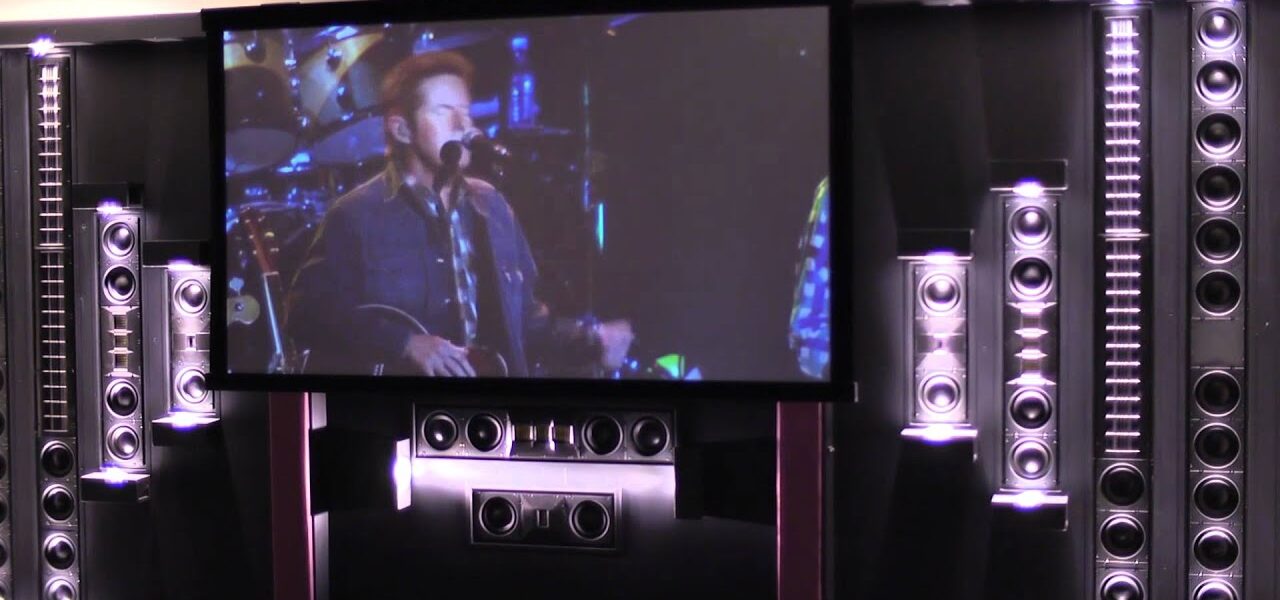
Think of 3D audio like stepping inside the sound itself. Instead of sound coming from fixed speakers, it moves freely around you—above, below, and everywhere in between.
How Dolby Atmos Transforms Storytelling
Dolby Atmos allows sound designers to treat audio as individual objects rather than flat channels. A helicopter doesn’t just sound like it’s flying, it actually moves across the room. Rain doesn’t fall from speakers; it falls from the ceiling.
This technology has been widely adopted in blockbuster films and premium theaters. Learn more about Dolby Atmos directly from Dolby Laboratories:
👉 https://www.dolby.com/technologies/dolby-atmos/
Real-World Film Examples
Films like Dune and Gravity use 3D audio to pull viewers directly into their worlds. You don’t just watch these movies—you experience them.
Technique #2 – Diegetic vs. Non-Diegetic Sound Blending
Breaking Traditional Sound Boundaries
Traditionally, diegetic sound (sound characters hear) and non-diegetic sound (sound only the audience hears) stayed in their lanes. Modern cinema loves breaking those rules.
Music might start as background score, then suddenly reveal itself as coming from a radio on screen. This seamless blending blurs reality and pulls viewers deeper into the story.
Emotional Impact on Viewers
This technique messes with our perception—in a good way. It creates intimacy, tension, and sometimes even discomfort, making scenes more memorable and emotionally charged.
Technique #3 – Hyper-Realistic Foley Sound Design
What Is Foley and Why It Matters
Foley is the art of recreating everyday sounds footsteps, fabric rustling, doors creaking—in a studio. But modern cinema takes it to the next level.
Creating Reality That Feels More Real Than Real
Here’s the twist: these sounds are often more dramatic than real life. A punch sounds heavier. A kiss sounds warmer. Why? Because heightened sound equals heightened emotion.
Want a deeper dive into Foley artistry? Check out this resource:
👉 https://en.wikipedia.org/wiki/Foley_(filmmaking)
Technique #4 – Silence as a Sound Tool
The Power of Strategic Silence
Silence can be deafening. When sound suddenly drops out, our brains go into overdrive. We lean in. We anticipate. We feel tension crawling up our spine.
Films That Use Silence Masterfully
Movies like A Quiet Place prove that silence isn’t empty—it’s loaded. By removing sound, filmmakers amplify every breath, every movement, every heartbeat.
Technique #5 – AI and Algorithmic Sound Design
How Artificial Intelligence Is Shaping Film Sound
AI is no longer sci-fi—it’s behind the scenes of modern cinema. Sound designers now use machine learning to generate ambient soundscapes, clean dialogue, and even predict emotional responses.
Benefits and Ethical Questions
AI saves time and money, but it also raises questions. Can a machine truly understand emotion? For now, AI works best as a creative assistant—not a replacement.
Technique #6 – Psychological Soundscapes
Sound as a Window Into the Mind
Ever notice how a character’s mental state is often reflected in sound? Distorted audio, ringing tones, or warped echoes can signal anxiety, fear, or confusion.
Horror, Thriller, and Drama Applications
This technique shines in psychological thrillers and horror films. Sound becomes subjective, letting us hear the world the way the character feels it.
Technique #7 – Spatial Sound Storytelling
Moving Sound as Narrative
Sound doesn’t just support the story, it tells it. A sound moving from left to right can indicate danger approaching. A voice behind you can make you jump.
Audience Immersion Techniques
By guiding attention through sound placement, filmmakers control where we look and how we feel without saying a word.
The Business and SEO Impact of Sound Innovation
Higher Engagement, Longer Watch Time
Innovative sound keeps audiences hooked. That means better reviews, stronger word-of-mouth, and higher streaming retention rates.
Why Sound Design Is a High-Value Skill
Sound designers are in demand more than ever. With streaming platforms booming, high-quality audio is no longer optional—it’s essential.
Sound Design Trends Shaping the Future of Cinema
Virtual Reality and Interactive Sound
VR films and games rely heavily on sound to create presence. As this tech grows, sound design will become even more immersive.
Personalized Audio Experiences
Imagine soundtracks that adapt to your hearing preferences. The future is personal—and it sounds amazing.
Conclusion
Sound is no longer the silent partner of cinema, it’s a leading voice. These 7 innovative sound techniques in modern cinema prove that audio isn’t just heard; it’s felt. As technology evolves, sound will continue to push boundaries, deepen emotions, and transform how stories are told.
So next time you watch a movie, close your eyes for a moment. Listen. You might be surprised by just how much of the story lives in the sound.
Read Also 5 Essential Facts About Barcode Scanners You Should Know
Frequently Asked Questions (FAQs)
1. Why is sound design so important in modern cinema?
Sound design enhances emotion, immersion, and storytelling, making films more engaging and memorable.
2. What is the most advanced sound technology used today?
Dolby Atmos is currently one of the most advanced and widely used immersive audio technologies.
3. How does sound affect audience psychology?
Sound influences mood, tension, and emotional response, often subconsciously guiding how viewers feel.
4. Can low-budget films use innovative sound techniques?
Absolutely. Creativity often matters more than budget, especially with smart use of silence and Foley.
5. Is AI replacing human sound designers?
No. AI assists with efficiency, but human creativity and emotional understanding remain irreplaceable.