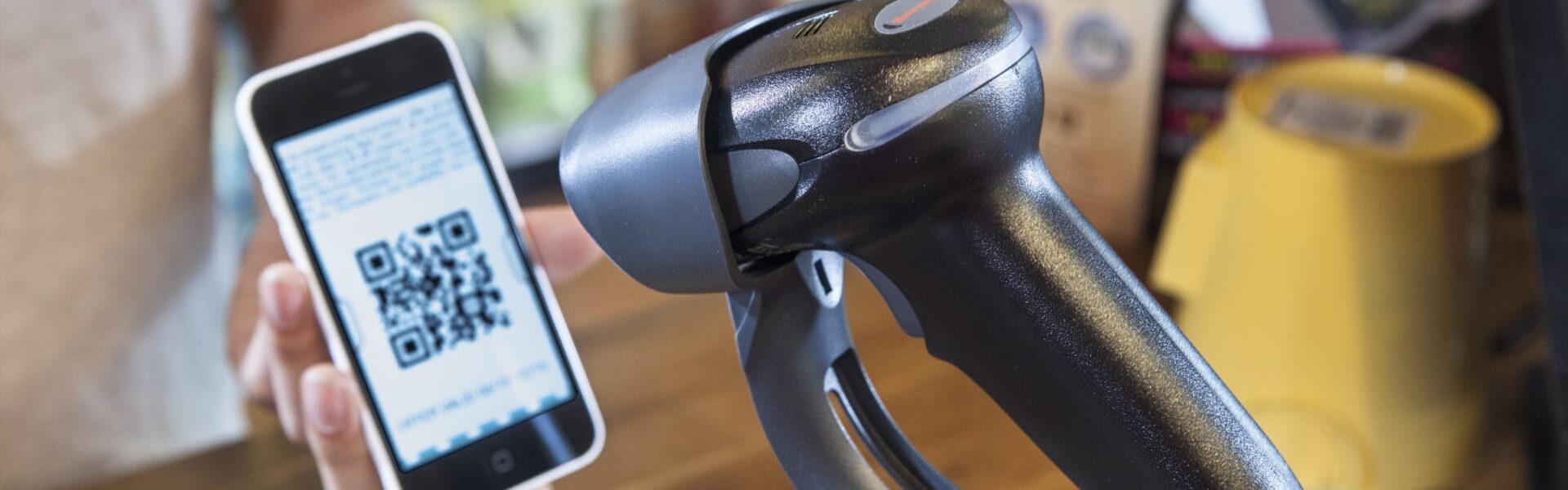

Barcode scanners are everywhere. From grocery stores and warehouses to hospitals and libraries, these small yet powerful devices quietly keep businesses running smoothly. If you’ve ever wondered how companies manage thousands of products without losing their minds, barcode scanners are a big part of the answer.
Whether you’re a small business owner, a warehouse manager, or just someone curious about how modern systems work, understanding barcode scanners can give you a serious edge. Let’s break it all down in plain English and uncover the 5 essential facts about barcode scanners you should know.
Introduction to Barcode Scanners
What Is a Barcode Scanner?
At its core, a barcode scanner is a device that reads printed barcodes and converts them into digital data. Think of it as a translator. It takes those black-and-white lines (or squares, in the case of QR codes) and turns them into information your computer can understand.
Instead of typing product numbers manually, you just scan, and boom, the data appears instantly. Simple, right?
Why Barcode Scanners Matter in Today’s Digital World
In a fast-paced world where speed and accuracy matter, barcode scanners are like the unsung heroes of efficiency. They reduce errors, save time, and help businesses stay organized. Without them, inventory management would feel like trying to juggle blindfolded.
Fact #1 – Barcode Scanners Come in Different Types
Not all barcode scanners are created equal. Choosing the wrong type is like bringing a butter knife to a construction site. it’ll work, but not well.
Handheld Barcode Scanners
These are the most common types you’ll see. They’re easy to use, affordable, and perfect for retail stores and small warehouses.
Corded vs Cordless Scanners
Corded scanners plug directly into a computer or POS system, while cordless scanners use Bluetooth or wireless connections. Cordless scanners offer more freedom to move, which is great for larger spaces.
Fixed-Mount Barcode Scanners
These scanners stay in one place and automatically scan items as they pass by. You’ll often see them on conveyor belts in warehouses or manufacturing plants.
Mobile Computer Barcode Scanners
These are handheld devices with built-in computers. They’re popular in logistics and fieldwork because they allow scanning, data entry, and communication all in one device.
Presentation and Omnidirectional Scanners
Used mostly at checkout counters, these scanners read barcodes from any angle. No need to line things up perfectly, just pass the item over the scanner.
Fact #2 – Barcode Scanners Improve Accuracy and Efficiency
If you’ve ever mistyped a long product code, you already know why barcode scanners are a game-changer.
Reducing Human Errors
Manual data entry is prone to mistakes. Barcode scanners virtually eliminate this problem by capturing data automatically.
Speeding Up Data Entry
Scanning a barcode takes a fraction of a second. Compare that to typing numbers manually, and the time savings are obvious.
Enhancing Inventory Accuracy
Accurate inventory means fewer stockouts and less overstock. Barcode scanners help businesses maintain real-time inventory levels.
Saving Time and Operational Costs
Time is money. Faster processes mean lower labor costs and happier customers.
Fact #3 – Barcode Scanners Support Multiple Barcode Types
Not all barcodes look the same, and thankfully, modern barcode scanners are versatile.
1D (Linear) Barcodes
These are the traditional barcodes you see on most products. They store limited information but are easy to scan.
2D Barcodes (QR Codes, Data Matrix)
2D barcodes can store much more data, including URLs and images. QR codes are a perfect example and are widely used in marketing and payments.
Industry-Specific Barcode Formats
Some industries use specialized barcodes for tracking assets, patients, or shipments.
The Importance of Compatibility
Before buying a scanner, make sure it supports the barcode types you use. Compatibility is key.
Fact #4 – Barcode Scanners Are Used Across Many Industries
Barcode scanners aren’t just for retail. They’re everywhere.
Retail and E-commerce
From checkout counters to stockrooms, barcode scanners keep retail operations smooth and efficient.
Healthcare and Medical Facilities
Hospitals use barcode scanners to track medications, patient records, and equipment, improving safety and accuracy.
Warehousing and Logistics
In logistics, barcode scanners are essential for tracking shipments and managing inventory.
Manufacturing and Supply Chain
Manufacturers rely on barcode scanners to monitor production and ensure quality control.
Education and Libraries
Libraries use barcode scanners to manage books and track borrowing history efficiently.
Fact #5 – Choosing the Right Barcode Scanner Impacts Business Growth
The right scanner can support growth, while the wrong one can hold you back.
Understanding Your Business Needs
Are you scanning thousands of items a day or just a few? Your needs determine the right scanner.
Environment and Usage Conditions
Dusty warehouses and clean retail stores require different scanner durability levels.
Budget vs Performance Considerations
Cheaper scanners may save money upfront but cost more in the long run due to repairs or replacements.
Scalability and Future-Proofing
Choose a scanner that can grow with your business.
How Barcode Scanners Work
The Science Behind Scanning
Barcode scanners use light to read barcodes. The scanner detects reflected light and converts it into digital data.
Laser vs Image-Based Scanning
Laser scanners use a laser beam, while image-based scanners use a camera. Image-based scanners are more versatile.
Decoding and Data Transmission
Once scanned, the data is decoded and sent to a computer or system for processing.
Benefits of Using Barcode Scanners
Improved Workflow
Tasks get done faster and with fewer errors.
Better Customer Experience
Faster checkouts mean happier customers.
Real-Time Data Access
Instant access to data helps with decision-making.
Enhanced Security and Tracking
Barcode scanners help track assets and reduce theft.
Common Mistakes to Avoid When Buying Barcode Scanners
Ignoring Barcode Compatibility
Overlooking Ergonomics
Choosing Price Over Quality
Not Planning for Growth
Barcode Scanners vs Manual Data Entry
Accuracy Comparison
Cost and Time Efficiency
Long-Term ROI
Maintenance and Care for Barcode Scanners
Cleaning Best Practices
Software and Firmware Updates
Proper Storage and Handling
Future Trends in Barcode Scanning Technology
AI-Powered Barcode Scanners
Integration with IoT and Cloud Systems
Mobile and Wearable Scanning Devices
Barcode Scanners and Digital Transformation
Automation and Smart Warehouses
Data Analytics and Business Intelligence
Integration with POS and ERP Systems
Real-Life Examples of Barcode Scanner Success
Small Business Case Study
Enterprise-Level Implementation
Lessons Learned
How to Get Started with Barcode Scanners
Assessing Your Needs
Selecting a Trusted Vendor
Training Your Team
Conclusion
Barcode scanners may look simple, but their impact is massive. They improve accuracy, save time, reduce costs, and support business growth across industries. Understanding these 5 essential facts about barcode scanners puts you in a stronger position to make smarter decisions. In today’s competitive world, efficiency isn’t optional, it’s essential.
For more technical insights, you can explore resources from trusted platforms like GS1 (https://www.gs1.org) and Zebra Technologies (https://www.zebra.com).
Read Also 10 Powerful Tools for Tech Kids Can Use to Learn Faster: Simple Tools That Work
Frequently Asked Questions (FAQs)
1. What is the main purpose of a barcode scanner?
The main purpose of a barcode scanner is to read barcodes and convert them into digital data quickly and accurately.
2. Are barcode scanners expensive?
Barcode scanners range from affordable to high-end models. The price depends on features, durability, and usage needs.
3. Can barcode scanners read QR codes?
Yes, most modern barcode scanners support 2D barcodes, including QR codes.
4. Which industries benefit most from barcode scanners?
Retail, healthcare, logistics, manufacturing, and education all benefit significantly from barcode scanners.
5. How do I choose the right barcode scanner for my business?
Consider your environment, barcode types, scanning volume, and future growth when choosing a scanner.