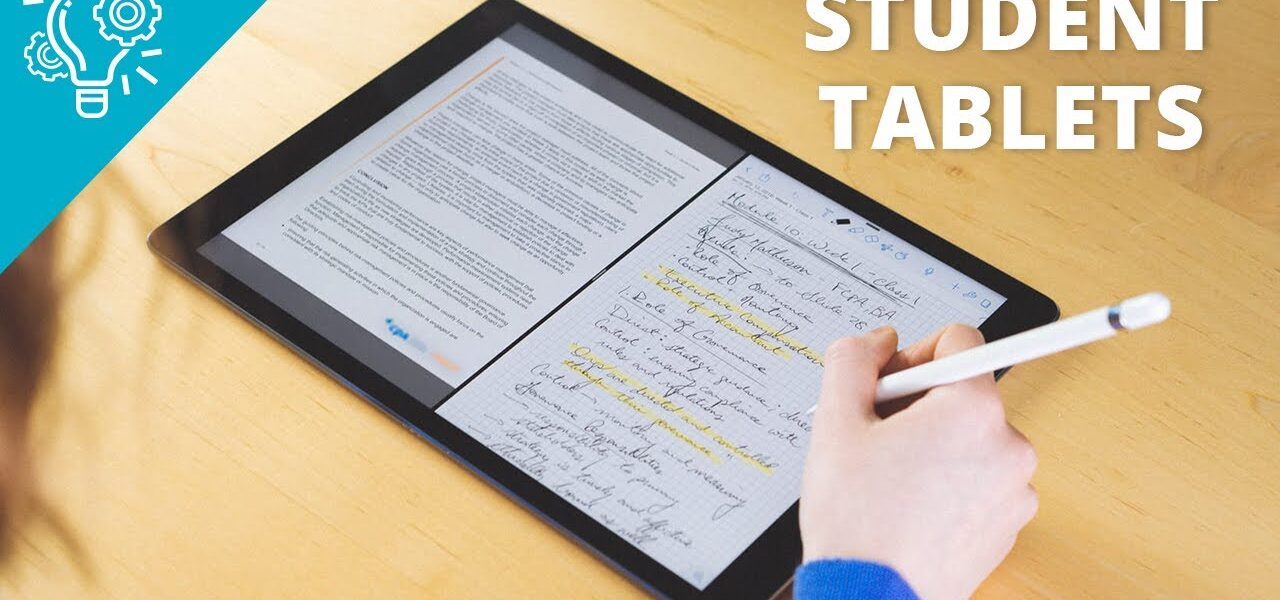

Education isn’t what it used to be and that’s not a bad thing. Chalkboards are giving way to smart screens, heavy backpacks are shrinking into sleek devices, and learning is becoming more interactive than ever. One of the biggest game-changers in modern education is the use of tablets in schools.
So, why are educators, parents, and students embracing this shift? Let’s break it down in simple terms and explore 5 ways using tablets boost school learning experience in a way that actually makes learning stick.
Introduction to Digital Learning in Modern Schools
The Rise of Tablets in Classrooms
Tablets have quietly walked into classrooms and taken a front-row seat. From elementary schools to universities, these lightweight devices are now trusted learning companions. Why? Because they combine portability, power, and practicality all in one slim package.
Schools are increasingly adopting tablets to replace or supplement textbooks, notebooks, and even laptops. According to EdTech Magazine (https://edtechmagazine.com), digital learning tools improve accessibility and student engagement when implemented effectively.
Why Traditional Learning Alone Is No Longer Enough
Let’s be honest, lectures and textbooks don’t work for everyone. Some students learn by seeing, others by doing, and some by listening. Tablets bring flexibility into the classroom, allowing teachers to meet students where they are.
Understanding the Learning Pain Point
Student Engagement Challenges
One of the biggest struggles in education today is keeping students engaged. Long lectures can feel like running on a treadmill lots of effort, little movement. Tablets introduce interactivity, visuals, and instant feedback that capture attention.
One-Size-Fits-All Teaching Problems
Every student is unique. Yet traditional classrooms often teach everyone at the same pace. That’s like forcing everyone to wear the same shoe size uncomfortable and ineffective.
How Technology Bridges the Learning Gap
Tablets act like learning chameleons. They adapt to each student’s pace, skill level, and interests, creating a more inclusive learning environment.
Way #1 – Tablets Make Learning Interactive and Fun
Interactive Educational Apps
Educational apps turn boring lessons into exciting experiences. Whether it’s math games, science simulations, or language-learning apps, tablets bring subjects to life.
Platforms like Khan Academy (https://www.khanacademy.org) offer interactive lessons that make learning feel less like homework and more like play.
Gamification of Learning
Gamification adds points, levels, and rewards to learning. Suddenly, students aren’t just solving equations, they’re leveling up. And who doesn’t love that?
Increased Attention Span Through Visual Learning
Visual learners thrive with videos, animations, and infographics. Tablets cater to this perfectly, helping students stay focused longer.
Way #2 – Personalized Learning for Every Student
Self-Paced Learning Opportunities
Tablets allow students to pause, rewind, and replay lessons. Missed something? No problem. This self-paced approach reduces stress and builds confidence.
Adaptive Learning Platforms
Adaptive apps adjust difficulty based on student performance. It’s like having a personal tutor available 24/7.
Supporting Different Learning Styles
Whether a student prefers reading, watching, or interacting, tablets offer multiple learning paths all in one device.
Way #3 – Easy Access to Unlimited Educational Resources
E-Books and Digital Libraries
Say goodbye to outdated textbooks. Tablets provide instant access to updated e-books and online libraries like Google Scholar (https://scholar.google.com).
Online Research and Learning Platforms
Students can research topics in seconds, explore global perspectives, and stay curious beyond the syllabus.
Learning Beyond Classroom Walls
Learning no longer stops at the school gate. Tablets enable learning anytime, anywhere—on the bus, at home, or during vacations.
Way #4 – Improved Collaboration and Communication
Group Projects Made Simple
Tablets make collaboration seamless. Students can work on shared documents, brainstorm ideas, and submit assignments digitally.
Real-Time Feedback From Teachers
Teachers can review work instantly and provide feedback faster. No more waiting days to know what went wrong.
Enhancing Peer-to-Peer Learning
Students learn from each other through discussion boards, shared notes, and collaborative apps.
Way #5 – Building Essential Digital Skills for the Future
Preparing Students for the Digital World
Let’s face it, digital skills are no longer optional. Tablets help students develop tech literacy early.
Encouraging Creativity and Innovation
From creating videos to designing presentations, tablets empower students to express ideas creatively.
Developing Problem-Solving Skills
Educational apps challenge students to think critically, analyze problems, and find solutions, skills that last a lifetime.
Addressing Common Concerns About Tablet Use in Schools
Screen Time and Eye Health
Moderation is key. Schools implement screen-time guidelines to protect students’ health.
Managing Distractions
With proper controls and educational software, distractions can be minimized effectively.
Responsible Tablet Usage Policies
Clear policies ensure tablets remain tools for learning not entertainment.
The Role of Teachers and Parents
Teachers as Digital Guides
Teachers aren’t replaced by tablets, they’re empowered by them. Tablets enhance teaching, not diminish it.
Parents Supporting Learning at Home
Parents can track progress, support assignments, and stay involved in their child’s education.
The Future of Tablet-Based Learning
Emerging EdTech Trends
AI-driven learning, virtual reality, and adaptive content are shaping the future of education.
AI, AR, and Personalized Learning
Tablets are evolving into intelligent learning assistants that personalize education like never before.
Conclusion
Tablets are more than shiny gadgets, they’re powerful learning tools reshaping education. From boosting engagement to preparing students for the digital future, it’s clear that 5 ways using tablets boost school learning experience isn’t just a catchy title, it’s a reality. When used wisely, tablets turn classrooms into dynamic learning hubs where students thrive.
Read Also 5 Essential Digital Safety Rules for Kids
Frequently Asked Questions (FAQs)
1. Are tablets suitable for all age groups?
Yes, tablets can be customized for learners aged 18–60, making them versatile tools for education at any level.
2. Do tablets improve academic performance?
Studies show that interactive and personalized learning through tablets enhances understanding and retention.
3. Can tablets replace textbooks completely?
While not always replacing them fully, tablets significantly reduce dependency on physical textbooks.
4. How do schools manage distractions on tablets?
Schools use educational software, restricted access, and monitoring tools to ensure focused learning.
5. Are tablets cost-effective for schools?
In the long run, tablets reduce costs related to textbooks, printing, and learning materials.