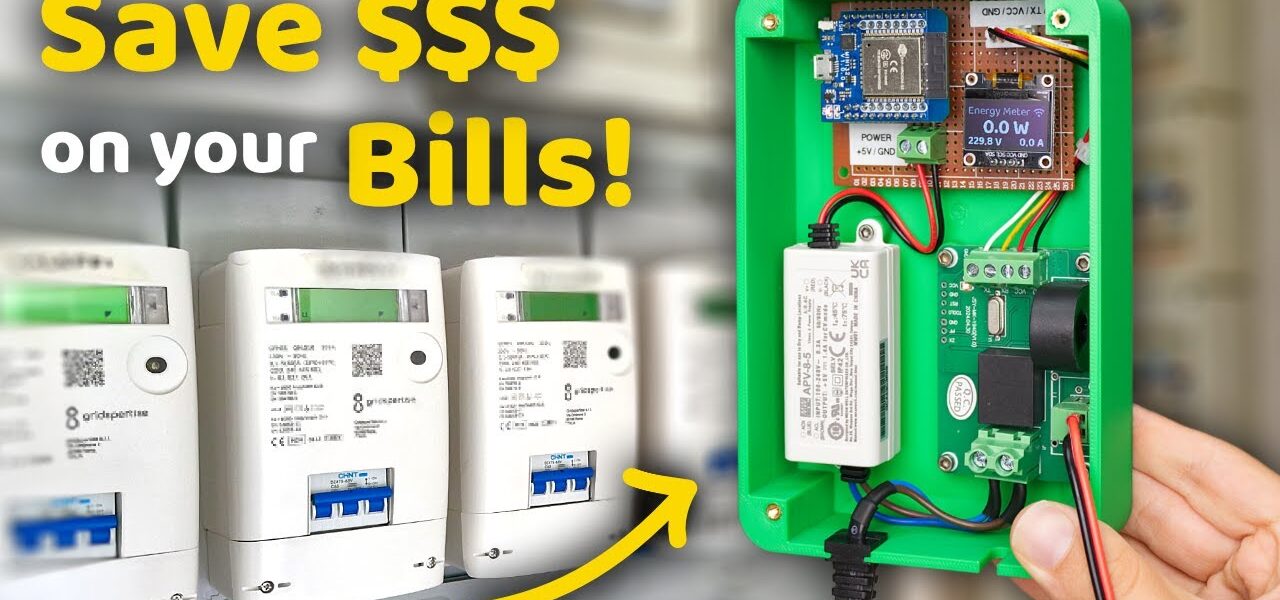

Introduction – Why Your Electricity Bill Keeps Getting Higher
Let’s be real for a moment. Every time you open your electricity bill, there’s that split second of dread. You didn’t change your lifestyle, you didn’t buy anything crazy, and yet boom the number is higher again. Sound familiar?
You’re not alone. Electricity prices continue to rise globally, and most homes waste energy without even realizing it. Devices stay plugged in, air conditioners run longer than needed, and lights stay on in empty rooms. It’s like having a slow leak in your wallet, small at first, but costly over time.
Here’s where smart technology steps in like a quiet hero. Smart devices don’t just make life convenient; they actively work behind the scenes to reduce electricity consumption, optimize usage, and cut unnecessary costs. Think of them as energy bodyguards, protecting your money 24/7.
In this guide, we’ll explore 5 smart devices that cut your electricity bill, explain how they work, why they’re effective, and how people aged 18 to 60 can use them to save real money without sacrificing comfort.
Understanding the Pain Point – High Electricity Bills
How Electricity Costs Affect Everyday Households
Electricity isn’t optional. Whether you’re a student in a small apartment, a parent managing a family home, or someone working remotely, power is essential. The problem? Most households don’t know where their electricity actually goes.
Heating, cooling, lighting, entertainment systems, and kitchen appliances quietly rack up costs. And because the usage feels invisible, the bill always comes as a surprise.
Why People Aged 18–60 Feel the Pressure Most
This age group sits right at the crossroads of responsibility and expenses. Rent, mortgages, kids, remote work, and rising living costs mean every dollar matters. People want solutions that are:
-
Easy to use
-
Affordable long-term
-
Actually effective
Smart devices check all those boxes.
Renters vs Homeowners and Energy Control
Good news: you don’t need to own a house to save money. Many smart devices—like smart plugs, lighting, and power strips work perfectly in rentals with zero permanent installation.
What Are Smart Devices and How Do They Save Energy?
Definition of Smart Devices
Smart devices are internet-connected tools that monitor, automate, and optimize energy usage. Unlike traditional devices, they don’t just “stay on” they adapt.
Smart vs Traditional Electrical Devices
Traditional devices run blindly. Smart devices run intelligently. They turn off when not needed, adjust based on behavior, and give you insights through apps.
Role of Automation, AI, and Sensors
Sensors detect motion and temperature. AI learns habits. Automation executes decisions. Together, they eliminate waste like turning off lights in empty rooms or adjusting temperature while you sleep.
Smart Device #1 – Smart Thermostats
What Is a Smart Thermostat?
A smart thermostat replaces your old wall thermostat and gives you total control over heating and cooling through your phone.
How Smart Thermostats Reduce Electricity Usage
Heating and cooling account for nearly 50% of home energy use. Smart thermostats reduce waste by adjusting temperatures automatically when you’re away.
Learning Behavior and Temperature Automation
Over time, smart thermostats learn your routine. It’s like having a personal assistant who knows when you wake up, leave, and come home—and adjusts the temperature accordingly.
Remote Control and Scheduling
Forgot to turn off the AC before leaving? No worries. Just open the app and fix it in seconds.
👉 https://www.energy.gov/energysaver/thermostats
Smart Device #2 – Smart LED Lighting Systems
How Lighting Impacts Your Electricity Bill
Lighting accounts for about 15% of household electricity use. Leaving lights on unnecessarily is like leaving a faucet running.
Smart Bulbs vs Regular LED Bulbs
LEDs save energy, but smart LEDs go further. They allow automation, scheduling, and dimming—all from your phone.
Motion Sensors and Occupancy Detection
Lights turn on when someone enters and shut off when the room is empty. Simple. Effective. No wasted energy.
Dimming, Timers, and Automation
Lower brightness equals lower power usage. Timers ensure lights aren’t running all night.
Long-Term Lighting Cost Reduction
Smart lighting can cut lighting costs by up to 30% over time.
👉 https://www.energystar.gov/products/lighting_fans
Smart Device #3 – Smart Power Strips
What Is Phantom Energy Consumption?
Even when turned off, many devices still draw power. TVs, consoles, chargers it’s called “vampire energy,” and it quietly inflates your bill.
How Smart Power Strips Eliminate Energy Waste
Smart power strips cut electricity to devices when they’re not in use. No thinking required.
Best Devices to Connect
TVs, gaming systems, office equipment, and entertainment centers benefit the most.
Where to Place Them
Living rooms and home offices are ideal.
Estimated Savings
Smart power strips can reduce standby energy waste by up to 10%.
👉 https://www.energy.gov/energysaver/articles/advanced-power-strips
Smart Device #4 – Smart Energy Monitoring Systems
What Is a Home Energy Monitoring System?
Ever wish you could see exactly where your electricity money is going? That’s precisely what a smart energy monitoring system does. It connects to your electrical panel and tracks how much power your home uses in real time.
Instead of guessing which appliance is driving your bill up, you get hard data. And trust me once you see the numbers, you’ll never look at your home the same way again.
Real-Time Electricity Usage Tracking
Smart energy monitors show your usage minute by minute through an app. Flip on the dryer? You’ll see a spike instantly. Turn it off? The graph drops. It’s like having a fitness tracker but for your house.
This awareness alone changes behavior. When people can see waste, they naturally reduce it.
Identifying Energy-Hungry Appliances
Most households are shocked to discover that old refrigerators, space heaters, and water heaters are silent energy monsters. Smart energy monitors help pinpoint exactly which appliances are draining power so you can:
-
Replace inefficient devices
-
Change usage habits
-
Schedule usage during off-peak hours
Making Data-Driven Energy Decisions
Instead of cutting back blindly, you make smart, informed decisions. It’s the difference between guessing and knowing.
Who Benefits Most From Energy Monitors?
Homeowners, large families, and remote workers see the biggest savings but renters can benefit too with plug-based monitors.
👉 Learn more about smart energy monitoring:
https://sense.com/
Smart Device #5 – Smart Appliances
What Makes an Appliance “Smart”?
A smart appliance connects to Wi-Fi and uses sensors, automation, and energy-efficient programming to reduce waste. These appliances don’t just run, they optimize.
Smart Refrigerators, Washers, and Dishwashers
Modern smart appliances adjust water usage, electricity load, and run cycles automatically. For example:
-
Smart washing machines use less water and energy per load
-
Smart dishwashers run during low-energy periods
-
Smart refrigerators regulate cooling efficiently
Off-Peak Energy Usage
Some smart appliances allow scheduling during off-peak electricity hours when rates are lower. That alone can shave a noticeable amount off your monthly bill.
Performance Optimization and Alerts
Smart appliances notify you when filters need cleaning or maintenance is required preventing inefficiency before it happens.
Are Smart Appliances Worth the Investment?
Yes, especially if you’re replacing old appliances anyway. Over time, the energy savings and convenience easily justify the cost.
How to Choose the Right Smart Devices for Your Home
Budget vs Long-Term ROI
You don’t need to buy everything at once. Start with one or two devices—like a smart thermostat or power strip—and expand over time.
Ask yourself:
-
How quickly will this pay for itself?
-
Will it reduce daily energy waste?
Compatibility With Wi-Fi and Smart Assistants
Make sure devices work with platforms like:
-
Google Home
-
Amazon Alexa
-
Apple HomeKit
Ease of Use Matters
If it’s complicated, you won’t use it. Choose devices with intuitive apps and good customer support.
Financial Benefits Beyond Lower Electricity Bills
Monthly and Yearly Savings
Smart homes typically save 10–30% on electricity costs annually. That’s real money back in your pocket every month.
Increased Property Value
Energy-efficient homes are more attractive to buyers and renters. Smart devices add perceived value instantly.
Rebates and Government Incentives
Many regions offer rebates for installing smart thermostats and energy-efficient appliances.
Environmental Benefits of Smart Energy Devices
Lower Carbon Footprint
Using less electricity means fewer emissions from power plants. It’s a small change that creates a big impact.
Supporting Sustainable Living
Smart devices help you live greener without sacrificing comfort—kind of like switching to a fuel-efficient car without giving up speed.
Common Myths About Smart Energy Devices
“Smart Devices Are Too Expensive”
False. Many devices pay for themselves within a year through energy savings.
“They Don’t Really Save Energy”
Also false. Studies consistently show reduced consumption when smart devices are used correctly.
Installation and Setup – Is It Complicated?
DIY Installation
Most smart plugs, lights, power strips, and thermostats are designed for easy DIY installation.
When Professional Help Is Needed
Energy monitors and some smart appliances may require professional installation—but it’s usually quick and affordable.
Real-Life Examples of Energy Savings
Apartments vs Houses
Apartment dwellers often save with smart lighting and plugs, while homeowners benefit most from thermostats and energy monitors.
Families vs Single Occupants
Families see larger total savings, while individuals enjoy quicker ROI due to lower initial costs.
Final Thoughts – Is Smart Living Worth It?
Absolutely. Smart devices don’t just cut your electricity bill, they give you control, clarity, and confidence. Instead of reacting to high bills, you proactively manage energy like a pro.
Conclusion
Electricity bills don’t have to feel like a monthly punishment. With the right smart devices, you can transform your home into an energy-efficient ecosystem that works quietly in the background saving money without demanding effort.
Whether you’re 18 or 60, renting or owning, tech-savvy or just getting started, smart energy devices meet you where you are. Start small, stay consistent, and watch your electricity bill shrink over time.
Read Also 7 Basic Tech Tools Every Movie Production Needs
FAQs
1. Do smart devices really reduce electricity bills?
Yes. When used correctly, smart devices can reduce energy costs by 10–30% annually.
2. Are smart devices safe to use at home?
Absolutely. Choose reputable brands and keep firmware updated for maximum safety.
3. Can renters use smart energy devices?
Yes. Smart plugs, bulbs, and power strips work perfectly in rental properties.
4. How long does it take to see savings?
Most users notice reduced bills within 1–3 months.
5. Which smart device should I start with first?
A smart thermostat or smart power strip offers the fastest and most noticeable savings.