
Introduction: Why Technology Is the Backbone of Modern Filmmaking
Let’s be honest making a movie today without the right technology is like trying to cook a five-star meal with a campfire and a plastic spoon. Sure, creativity drives storytelling, but tech tools? They make that creativity visible, audible, and unforgettable.
Whether you’re an aspiring filmmaker, a YouTube creator leveling up, or an indie producer working with a tight budget, the right tech tools can mean the difference between a cinematic masterpiece and something that looks… well, homemade. 🎬
For audiences and creators aged 18 to 60, the biggest pain point is usually the same: How do I produce professional-quality films without burning my wallet or my sanity? This guide answers that question by breaking down the 7 basic tech tools every movie production needs, explained simply, conversationally, and practically.
Let’s dive in.
Understanding the Modern Movie Production Workflow
Before buying gear like a kid in a candy store, it helps to understand where each tool fits in the filmmaking puzzle.
Pre-Production Essentials
This is where ideas turn into plans. Scripts are written, schedules are created, budgets are approved, and locations are locked. Tech tools here help with organization, collaboration, and planning.
Production Day Tech Requirements
This is the “lights, camera, action!” phase. Cameras roll, microphones capture dialogue, and lighting sets the mood. The tech used here directly impacts the final visual and audio quality.
Post-Production and Distribution Tools
Editing, color grading, sound design, and exporting happen here. This is where raw footage becomes a polished story ready for theaters, streaming platforms, or YouTube.
Tool #1: Professional Digital Cameras
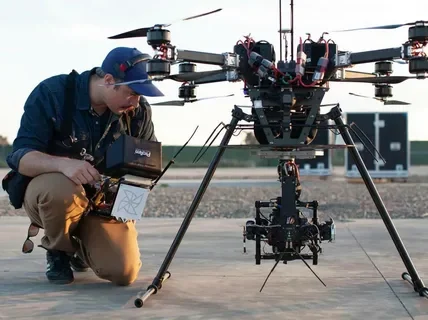
If filmmaking were a car, the camera would be the engine. Everything starts here.
DSLR vs Mirrorless vs Cinema Cameras
-
DSLR Cameras: Affordable and beginner-friendly.
-
Mirrorless Cameras: Lightweight, powerful, and increasingly popular.
-
Cinema Cameras: Built specifically for filmmaking with superior dynamic range and codecs.
Popular options include brands like Canon, Sony, and Blackmagic Design. For example, the Blackmagic Pocket Cinema Camera is a favorite among indie filmmakers (https://www.blackmagicdesign.com).
Key Features to Look for in a Production Camera
-
4K or higher resolution
-
High dynamic range (HDR)
-
Interchangeable lenses
-
Good low-light performance
Budget-Friendly Camera Options for Indie Filmmakers
You don’t need a Hollywood budget. Many productions today shoot incredible footage on mirrorless cameras under $2,000. It’s not about price, it’s about knowing how to use your tools.
Tool #2: High-Quality Audio Recording Equipment
Here’s a hard truth: audiences will forgive bad visuals, but they will not forgive bad sound.
Why Audio Quality Matters More Than You Think
Ever clicked away from a video because the audio was echoey or muffled? Exactly. Clean audio builds trust and keeps viewers engaged.
Shotgun Microphones
Perfect for directional sound capture on set. Mounted on boom poles, they focus on dialogue while minimizing background noise.
Lavalier Microphones
These tiny clip-on mics are ideal for interviews and dialogue-heavy scenes.
Portable Audio Recorders
Devices like Zoom or Tascam recorders give you clean, professional-grade audio (https://zoomcorp.com).
Tool #3: Lighting Equipment and Accessories
Lighting is mood. Lighting is emotion. Lighting is storytelling.
Three-Point Lighting Explained Simply
-
Key Light: Main light source
-
Fill Light: Softens shadows
-
Back Light: Adds depth
LED Panels
Energy-efficient, adjustable, and perfect for both studio and location shoots.
Softboxes and Reflectors
These tools diffuse harsh light and help create a cinematic glow.
Smart Lighting Controls
App-controlled lighting systems allow quick adjustments, huge time-savers on set.
Tool #4: Video Editing and Post-Production Software
This is where the magic really happens.
Industry-Standard Editing Software
-
Adobe Premiere Pro (https://www.adobe.com)
-
Final Cut Pro
-
DaVinci Resolve
Color Grading Tools
Color grading sets the tone—warm, cold, gritty, or vibrant.
Sound Editing and Mixing Software
Great visuals mean nothing without balanced audio.
Visual Effects (VFX) Tools
Even basic VFX can elevate your production value significantly.
Tool #5: Production Management and Collaboration Software
Filmmaking is teamwork, and chaos kills creativity.
Scheduling and Script Breakdown Tools
Software like StudioBinder helps manage schedules and scripts efficiently (https://www.studiobinder.com).
Cloud-Based Collaboration Platforms
Google Drive and Frame.io keep teams aligned in real time.
Budgeting and Resource Management Software
Knowing where every dollar goes prevents nasty surprises.
Tool #6: Data Storage and Backup Solutions
Imagine losing weeks of footage. Nightmare fuel, right?
Why Data Security Is Non-Negotiable
Footage is irreplaceable. Always back it up twice.
External Hard Drives
Fast SSDs are ideal for editing.
Network Attached Storage (NAS)
Perfect for team access and redundancy.
Cloud Storage for Film Projects
Cloud backups add an extra safety net.
Tool #7: On-Set Monitoring and Accessories
Small tools, big impact.
External Monitors
Bigger screens help directors and cinematographers see what’s really happening.
Wireless Video Transmission Systems
Go cable-free and improve mobility on set.
Essential Cables, Power Solutions, and Accessories
Never underestimate batteries, chargers, and quality cables, they keep productions alive.
How These Tech Tools Solve Real Pain Points for Filmmakers
From tight budgets to limited crew sizes, these tools streamline workflows, improve quality, and reduce stress. Think of them as your silent production assistants.
Choosing the Right Tech Stack Based on Your Budget
Start small. Upgrade as you grow. Skill beats gear every time.
Common Mistakes to Avoid When Investing in Film Tech
-
Buying gear without learning it
-
Ignoring audio quality
-
Skipping backups
Future-Proofing Your Movie Production Setup
Invest in scalable tools and stay updated with software advancements.
Conclusion: Technology as Your Silent Co-Director
At the end of the day, the 7 basic tech tools every movie production needs aren’t about fancy gadgets, they’re about empowering your vision. With the right setup, your story gets the spotlight it deserves. Lights fade, credits roll, and your audience stays glued to the screen. That’s the power of smart filmmaking tech.
Read Also 10 Essential Tech Tools for Business Owners
FAQs
FAQ 1: Do I need expensive equipment to make a good movie?
No. Skill, planning, and storytelling matter more than price tags.
FAQ 2: What’s the most important tech tool for beginners?
A reliable camera and good audio equipment.
FAQ 3: How much storage do I need for a film project?
At least double your estimated footage size for backups.
FAQ 4: Can I edit a movie on a regular laptop?
Yes, as long as it meets the software’s minimum requirements.
FAQ 5: How often should I upgrade my film tech?
Only when your current tools limit your creative or technical needs.