
Introduction to Drone Technology in Filmmaking
If you’ve watched a movie, TV show, commercial, or even a YouTube vlog in the last decade, chances are you’ve seen drone footage whether you realized it or not. Drones have quietly but powerfully reshaped modern filmmaking, turning once-impossible shots into everyday visuals.
Not long ago, aerial shots were a luxury reserved for blockbuster budgets and Hollywood elites. Today? A single filmmaker with a drone and a creative vision can capture cinematic magic. That’s not just a technological upgrade, it’s a storytelling revolution.
So, how exactly are drones changing the filmmaking landscape? Let’s break it down.
Way #1 – Affordable Aerial Cinematography for Everyone
From Helicopters to Compact Drones
Once upon a time, aerial cinematography meant renting helicopters, hiring pilots, securing permits, and burning through budgets faster than jet fuel. A single helicopter shot could cost tens of thousands of dollars.
Enter drones.
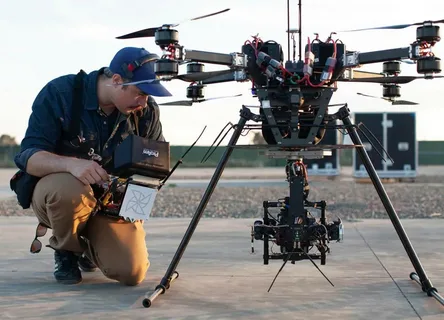
Modern filmmaking drones like the DJI Air 3 or Inspire series now deliver stunning 4K to 8K footage at a fraction of the cost. What used to require an entire crew can now be done by one skilled operator.
This affordability has leveled the playing field and that’s huge.
Lower Production Costs Without Compromising Quality
Lower costs don’t mean lower quality. Today’s drones come equipped with:
-
Stabilized 3-axis gimbals
-
High-dynamic-range cameras
-
Professional color profiles like D-Log
This allows filmmakers to achieve Hollywood-level visuals on indie budgets. Whether you’re shooting a wedding film, documentary, or short movie, drones deliver premium visuals without premium prices.
Democratization of Visual Storytelling
In simple terms, drones have given creative power back to the storyteller. Students, freelancers, and small studios can now compete visually with major productions and that’s reshaping the entire film industry.
Way #2 – Creative Freedom and New Storytelling Angles
Dynamic Camera Movements Made Easy
Drones don’t just fly, they dance.
They swoop, rise, dive, orbit, and glide, creating smooth, cinematic movements that traditional cameras simply can’t replicate. These dynamic motions add energy, emotion, and scale to a scene.
Think of drones as a paintbrush in the sky.
Fly-Through Shots That Weren’t Possible Before
Ever seen a camera fly through a window, down a hallway, and out into an open landscape—all in one seamless shot? That’s drone filmmaking at its finest.
These immersive shots pull viewers directly into the story, making them feel like participants rather than spectators.
Emotional Impact Through Unique Perspectives
A bird’s-eye view can make a character look isolated. A slow aerial pull-back can create awe or sadness. Drones aren’t just tools, they’re emotional amplifiers.
Way #3 – Enhanced Safety and Risk Reduction
Filming in Dangerous or Inaccessible Locations
Cliffs, volcanoes, forests, oceans locations that once posed serious risks can now be filmed safely using drones.
Instead of sending camera operators into harm’s way, drones capture the shot remotely. It’s safer, smarter, and far more efficient.
Reducing Human Risk on Set
Modern filmmaking prioritizes safety, and drones help reduce:
-
Stunt-related injuries
-
Dangerous rigging setups
-
On-site crew exposure
That’s a win for both creativity and responsibility.
Safer Alternatives for Extreme Shots
High-speed chase scenes, explosions, and natural disasters can now be filmed without putting lives at risk. Drones act like fearless stunt performers minus the danger.
Way #4 – Faster Production and Greater Efficiency
Quick Setup and Mobility
Time is money on a film set, and drones save both.
Most drones can be deployed within minutes. No cranes, no tracks, no elaborate rigs, just take off and shoot.
Saving Time on Location Shoots
Need multiple angles fast? Drones can capture wide shots, tracking shots, and establishing shots in a single flight. This dramatically shortens shooting schedules.
Improving Workflow for Indie and Studio Productions
From pre-production to post-production, drones streamline workflows. Fewer crew members, faster setups, and versatile shots mean smoother productions overall.
Way #5 – Advanced Technology and AI Integration
Intelligent Tracking and Automated Flight Modes
Modern drones come packed with smart features like:
-
Subject tracking
-
Waypoint navigation
-
Obstacle avoidance
This allows filmmakers to focus on storytelling rather than piloting.
4K, 6K, and 8K Video Capabilities
High-resolution cameras ensure footage is future-proof and cinema-ready. Combined with RAW formats, drones now meet professional broadcast standards.
The Role of AI in Future Drone Filmmaking
AI is pushing drone filmmaking into new territory automated framing, intelligent scene recognition, and even autonomous filming. The future? Smarter drones, better stories.
The Impact of Drones on Different Film Industries
Hollywood and Big-Budget Productions
Major studios use drones for sweeping landscapes, action sequences, and CGI integration. They save time while expanding creative possibilities.
Independent Films and Documentaries
For indie creators, drones are a secret weapon delivering scale, depth, and professionalism without massive budgets.
Commercials, Music Videos, and Social Media Content
From viral Instagram reels to cinematic ads, drones dominate modern visual marketing.
Legal, Ethical, and Regulatory Considerations
Drone Laws Filmmakers Must Know
Filmmakers must comply with aviation authorities like:
-
FAA (USA): https://www.faa.gov/uas
-
CAA (UK): https://www.caa.co.uk/drones
Privacy and Airspace Regulations
Always respect privacy and restricted airspace. One bad flight can ground an entire production.
Licensing and Certification Requirements
Professional drone pilots often need certifications, insurance, and permits non-negotiables in commercial filmmaking.
Choosing the Right Drone for Filmmaking
Best Drones for Beginners
-
DJI Mini series
-
Lightweight and affordable
Professional-Grade Drones
-
DJI Inspire
-
DJI Mavic 3 Cine
Key Features to Consider
-
Camera quality
-
Gimbal stabilization
-
Flight time
Challenges of Drone Filmmaking
Weather and Environmental Limitations
Wind, rain, and lighting conditions can affect drone performance.
Battery Life and Technical Constraints
Limited flight time means careful planning is essential.
Skill and Training Requirements
Flying and filming simultaneously takes practice but mastery pays off.
The Future of Drones in Modern Filmmaking
AI, automation, and virtual production will continue blending drones into every stage of filmmaking. The sky literally is no longer the limit.
Conclusion
Drones have transformed modern filmmaking in ways we couldn’t have imagined just a decade ago. They’ve lowered costs, expanded creativity, improved safety, and opened the door for storytellers everywhere.
Whether you’re a Hollywood director or a solo creator, drones aren’t just tools anymore, they’re partners in storytelling.
Read Also 7 Essential Coding Skills for Young Learners
Frequently Asked Questions (FAQs)
1. Are drones legal for filmmaking?
Yes, but filmmakers must follow local aviation laws, obtain permits, and sometimes certifications.
2. Do drones replace traditional cameras?
No. They complement traditional cameras by offering unique aerial perspectives.
3. What is the best drone for filmmaking beginners?
Lightweight drones like the DJI Mini series are excellent starting points.
4. Can drones be used indoors for filming?
Yes, but it requires skill, planning, and often specialized indoor drones.
5. Will AI replace drone pilots in the future?
AI will assist pilots, not replace them. Creative control still belongs to humans.